
3 Ways Solopreneurs Can Monetize Their Audience
Building an audience is no longer optional for modern solopreneurs—it is the foundation of a sustainable online business. Whether you are a coach, creator, freelancer, or niche expert, your audience represents trust, attention, and opportunity. The real challenge is not just growing that audience, but turning it into consistent revenue without burning out or overcomplicating your systems.
This article explores three proven ways solopreneurs can monetize their audience: online courses, memberships, and affiliate marketing. Each method is practical, scalable, and can be implemented using an all-in-one platform like Systeme.io. More importantly, these strategies can work together, allowing you to build multiple income streams while serving your audience in meaningful ways. Before diving into the specifics of each approach, it’s essential to understand the significance of monetizing your audience.
Why Monetizing Your Audience Matters
Before diving into the strategies, it is important to understand why audience monetization is so powerful.
Unlike traditional businesses that rely heavily on cold traffic and constant advertising, solopreneurs benefit from warm audiences—people who already trust your voice and expertise. Monetization, when done correctly, becomes a natural extension of helping your audience solve problems.
Key benefits include:
Predictable income streams.
Higher conversion rates compared to cold leads.
Deeper relationships with your audience.
Long-term business sustainability.
The goal is not to “sell more,” but to serve better while earning fairly.
1. Creating and Selling Online Courses
Why Courses Work
Online courses are one of the most effective ways to monetize knowledge. If your audience follows you for insights, skills, or transformation, a structured course provides a clear path to achieving results.
Courses allow you to:
Package your expertise into a scalable product.
Sell repeatedly without trading time for money.
Position yourself as an authority in your niche.
What Makes a Course Sell
Not every course succeeds. The difference lies in clarity and relevance.
A strong course typically has:
A specific outcome (e.g., “Launch your first online store in 30 days”).
A clear target audience.
Step-by-step guidance instead of vague theory.
Real-world applications.
Avoid creating a course based purely on what you want to teach. Instead, build it around what your audience is actively struggling with.
Types of Courses You Can Create:
Beginner courses (introductions and foundations).
Advanced skill-based programs.
Transformation-focused courses (health, business, mindset).
Micro-courses (short, focused solutions).
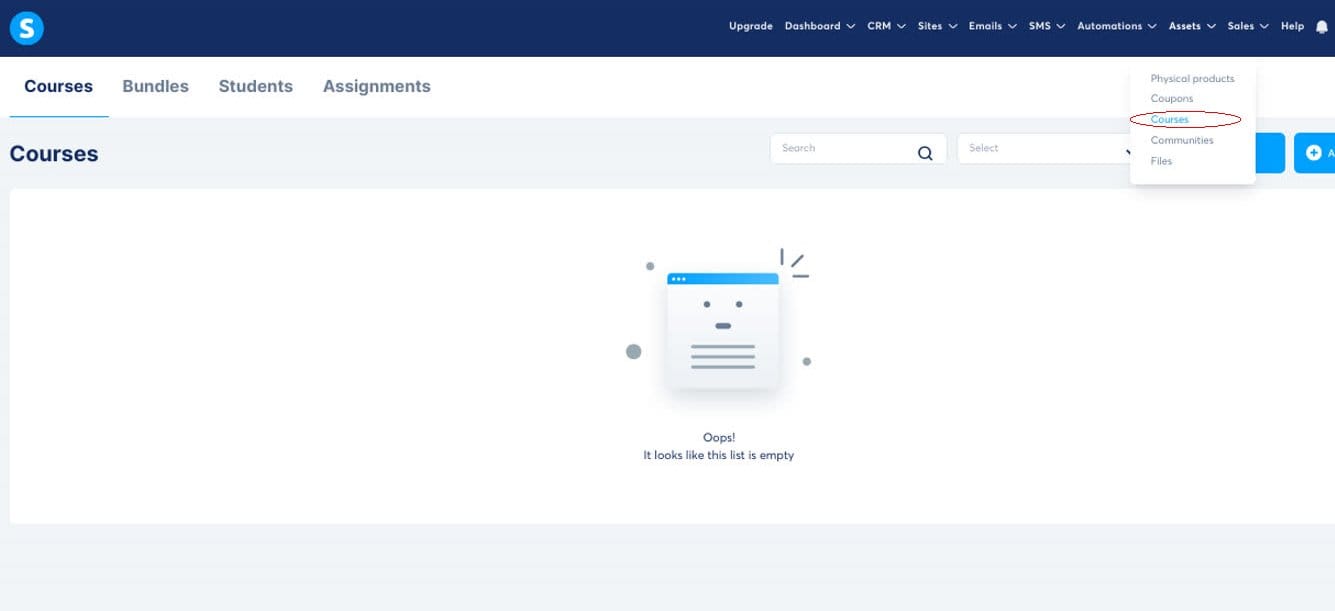
Using Systeme.io for Courses
Systeme.io simplifies course creation and delivery by combining multiple tools into one platform. You can:
Build course pages using a drag-and-drop editor.
Upload videos, PDFs, and lessons.
Set pricing (one-time or payment plans).
Automate email sequences for onboarding.
This eliminates the need for separate hosting, funnel builders, and email tools.
SEO Tip for Courses
If you are promoting your course through content (blog posts or landing pages), use keywords like:
“online course for beginners.”
“Learn [your skill] step by step.”
“best course for [specific result].”
This helps your content rank and attract organic traffic over time. Now, let’s explore another powerful strategy: building a membership program.
2. Building a Membership Program
Why Memberships Are Powerful
Memberships create recurring income, which is critical for stability as a solopreneur. Instead of constantly chasing new sales, you build a base of loyal subscribers who pay monthly or annually.
This model works particularly well if you:
Produce content consistently.
Have an engaged audience.
Offer ongoing value.
What to Include in a Membership
A successful membership is not about dumping content—it is about continuous value and connection.
Common membership features include:
Exclusive content (videos, articles, tutorials).
Community access (forums or groups).
Monthly Q&A or live sessions.
Templates, tools, or resources.
Behind-the-scenes insights.
Choosing the Right Pricing Model
Pricing depends on your niche and value proposition:
Low-ticket ($5–$20/month): Content-heavy memberships
Mid-tier ($20–$50/month): Community + guidance
High-ticket ($50+/month): Coaching, deep access, or specialized knowledge
The key is to align price with perceived value and outcomes.
Retention Is Everything
Unlike courses, memberships rely on retention. If people leave after one month, your model breaks down.
To improve retention:
Deliver quick wins early.
Maintain consistent updates
Engage directly with members.
Ask for feedback regularly.
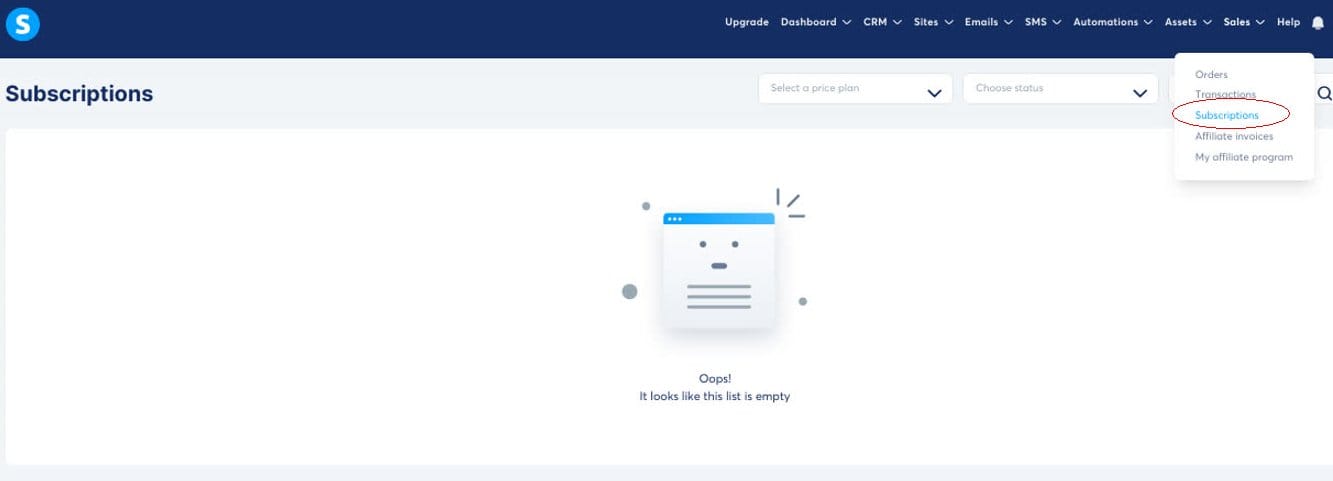
Using Systeme.io for Memberships
Systeme.io allows you to:
Create gated content areas.
Manage subscriptions and payments.
Automate access based on membership level
Integrate email communication easily.
This makes it easier to manage everything without technical complexity.
SEO Tip for Memberships
Content that drives membership signups should target keywords such as:
“exclusive community for [niche].”
“monthly membership for [skill or goal].”
“Learn [topic] with ongoing support.”
These keywords attract users looking for long-term engagement rather than one-time purchases.
3. Leveraging Affiliate Marketing
What Is Affiliate Marketing?
Affiliate marketing involves promoting other people’s products or services and earning a commission for each sale made through your referral link.
For solopreneurs, this is one of the easiest ways to start monetizing—even without creating your own product.
Why Affiliate Marketing Works
No need to create or manage products.
Low upfront investment.
Can be integrated into existing content.
Scales with your audience growth.
Choosing the Right Build
Since most of solopreneur product are digital or service, solopreneur has less to consider when using affiliate program to promote their business.
Examples of possible scenario can be done:
Customers to registration of an online course from an affiliate link.
Customers come to a workplace (for offline services) and generate affiliate-linked-sales there.
Effective Ways to Promote Affiliate Offers
Blog posts (reviews, tutorials, comparisons).
Email newsletters.
YouTube videos or social media content.
Resource pages or toolkits.
The most effective approach is education-first selling—help your audience understand why the product is useful before introducing the link.
Avoiding Common Mistakes
Promoting too many unrelated products.
Prioritizing commission over value.
Being overly salesy.
Not disclosing affiliate relationships.
Transparency builds trust, which directly impacts long-term revenue.
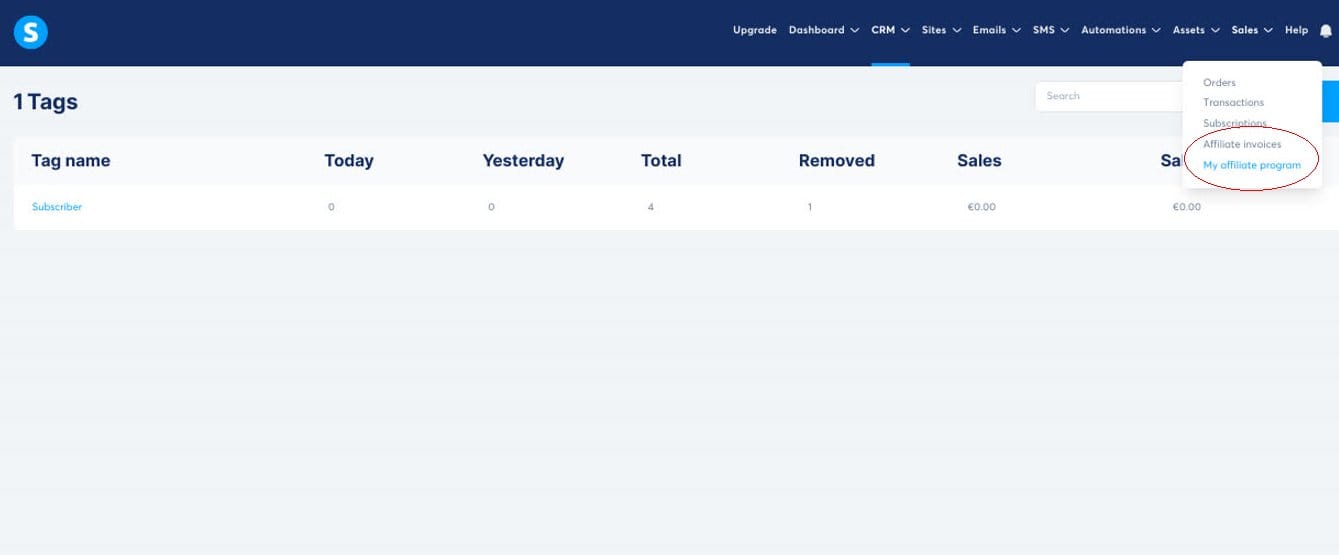
Using Systeme.io for Affiliate Marketing
Systeme.io supports affiliate marketing by allowing you to:
Build landing pages for promotions.
Capture leads before sending them to offers.
Automate follow-up emails
Track conversions and performance
This gives you more control over your funnel instead of relying solely on direct links.
SEO Tip for Affiliate Marketing
Focus on keywords such as:
“[product name] review”
“best tools for [specific use case]”
“[product] vs [alternative].”
These keywords capture high-intent users who are close to making a purchase.
Combining All Three Strategies
The most effective solopreneurs do not rely on just one income stream. They build an ecosystem where each monetization method supports the others.
Example Funnel
1. Free Content (Blog, Social Media, YouTube)
→ Attract audience through valuable content2. Lead Magnet (Free Resource)
→ Capture email subscribers3. Affiliate Offers
→ Monetize early-stage audience4. Online Course
5. → Provide structured transformation6. Membership Program
→ Maintain long-term engagement and recurring income
This layered approach increases both lifetime value and audience satisfaction.
Common Challenges Solopreneurs Face
1. Overcomplicating the Tech
Many solopreneurs waste time juggling multiple tools. Using an all-in-one platform like Systeme.io reduces friction and allows you to focus on content and strategy.
2. Lack of Clarity
Trying to serve everyone leads to weak messaging. Define:
Who your audience is
What problem do you solve?
What outcome do you deliver?
3. Inconsistent Content
Monetization depends on attention. Without consistent content, even the best offers struggle to convert.
Final Thoughts
Monetizing your audience as a solopreneur does not require a large team or complicated systems. With the right approach, you can build a business that is both profitable and aligned with your expertise.
Online courses provide scalable income. Memberships create stability through recurring revenue. Affiliate marketing offers a low-barrier entry point and an additional income stream.
When combined strategically—and supported by a platform like Systeme.io—these methods form a robust monetization framework that grows with your audience.
The key is to start with one method, execute it well, and expand gradually. Over time, your audience will not just follow you—they will invest in the value you provide.
Best Practices for Sustainable Monetization
Focus on trust first, revenue second.
Start simple, then expand.
Validate ideas before scaling.
Use data to refine your strategy.
Prioritize audience needs over trends.
Consistency and clarity outperform complexity.
SHARE


Subscribe now.
Sign up for our newsletter to get the most interesting stories of the day straight to your inbox before everyone else
Created with ©systeme.io• Privacy policy • Terms of service